







solarpanelsforindustrialunits
UK WAREHOUSES SPECIALISTS

Solar Panels for Industrial Units, Turn Your Roof Space into Lower Overheads

Specialist solar PV for UK warehouses, distribution centres, and 3PL operators. PPA, asset finance, or capital purchase. Free feasibility from your half-hourly meter data.

  • MCS Certified
  • NICEIC
  • RECC
  • TrustMark
  • IWA-Backed
UK-wide
Commercial coverage
MCS
Certified installers
7 days
To your quote
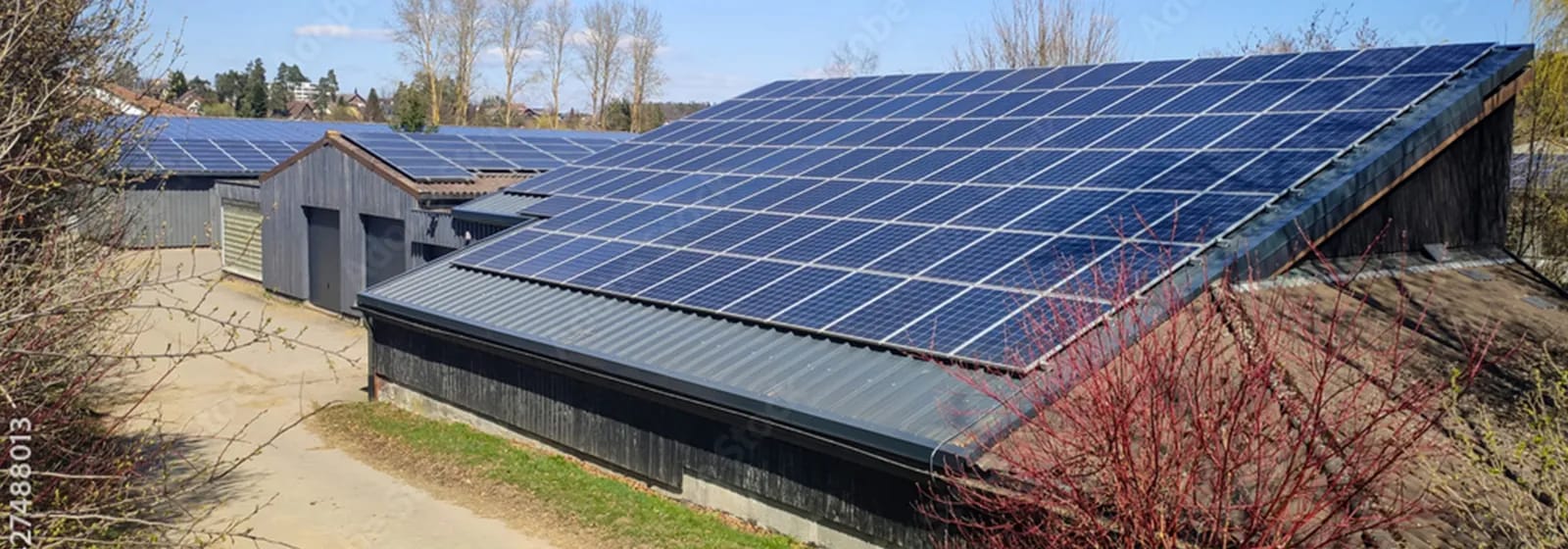
Commercial solar panels for industrial units installation, UK rooftop

ACCREDITED FOR UK COMMERCIAL WORK

  • MCS Certified
  • NICEIC Approved
  • RECC Member
  • TrustMark Licensed
  • IWA Insurance-Backed Warranty
  • ISO 9001 / 14001 / 45001
WHY WAREHOUSES SOLAR

The economics of solar panels for industrial units in 2026

UK warehouses and distribution centres collectively represent over 600 million square feet of roof estate, the largest single underused renewable energy resource in the country. Modern logistics buildings are designed with clear-span steel-portal roofs that are nearly perfect for rooftop solar PV: clear of obstructions, structurally sound, and aligned with daytime operational baseload from MHE charging, refrigeration, and lighting. With customer pressure mounting (Amazon's Climate Pledge, Tesco's net zero supplier mandate, Unilever's CTAP) and lease structures increasingly accommodating tenant-funded solar, the case for warehouse solar is now overwhelming.

  • LPC sprinkler clearance and insurer pre-design review, every project, no exceptions.
  • BBP green-lease addendum support for tenant-installed solar.
  • Freeport / Investment Zone capital allowance assessment included.
  • Cold-chain specialist team, we've delivered 4-year-payback installs.
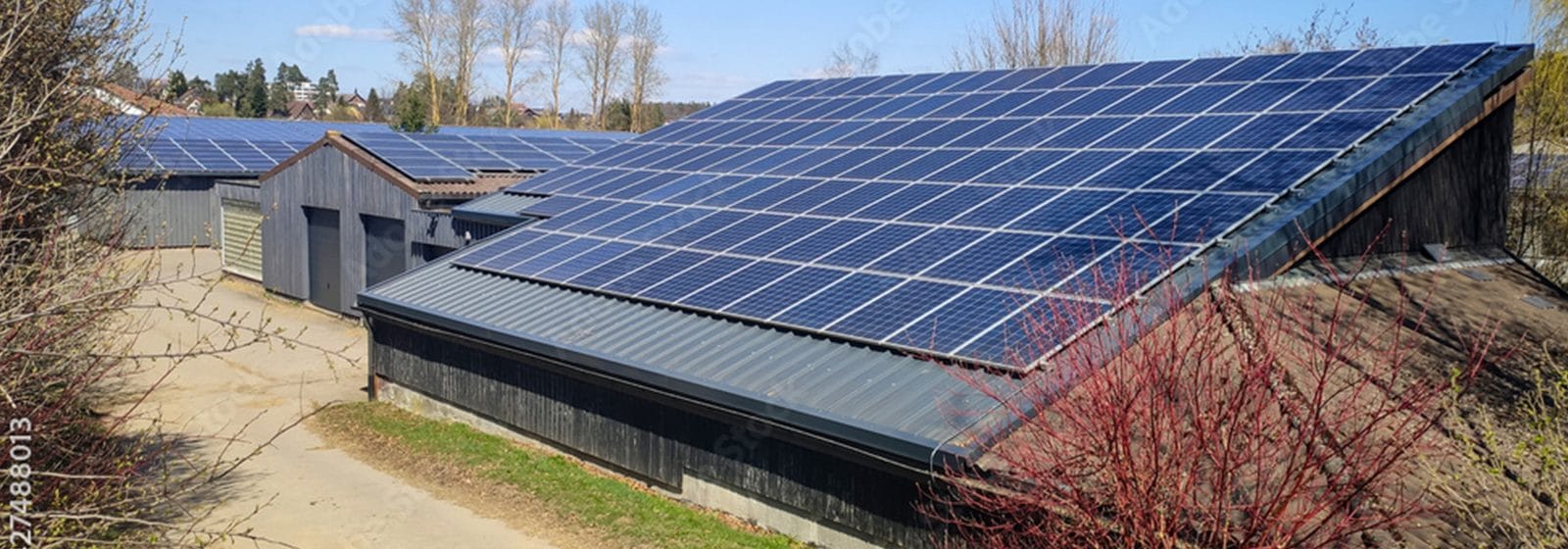
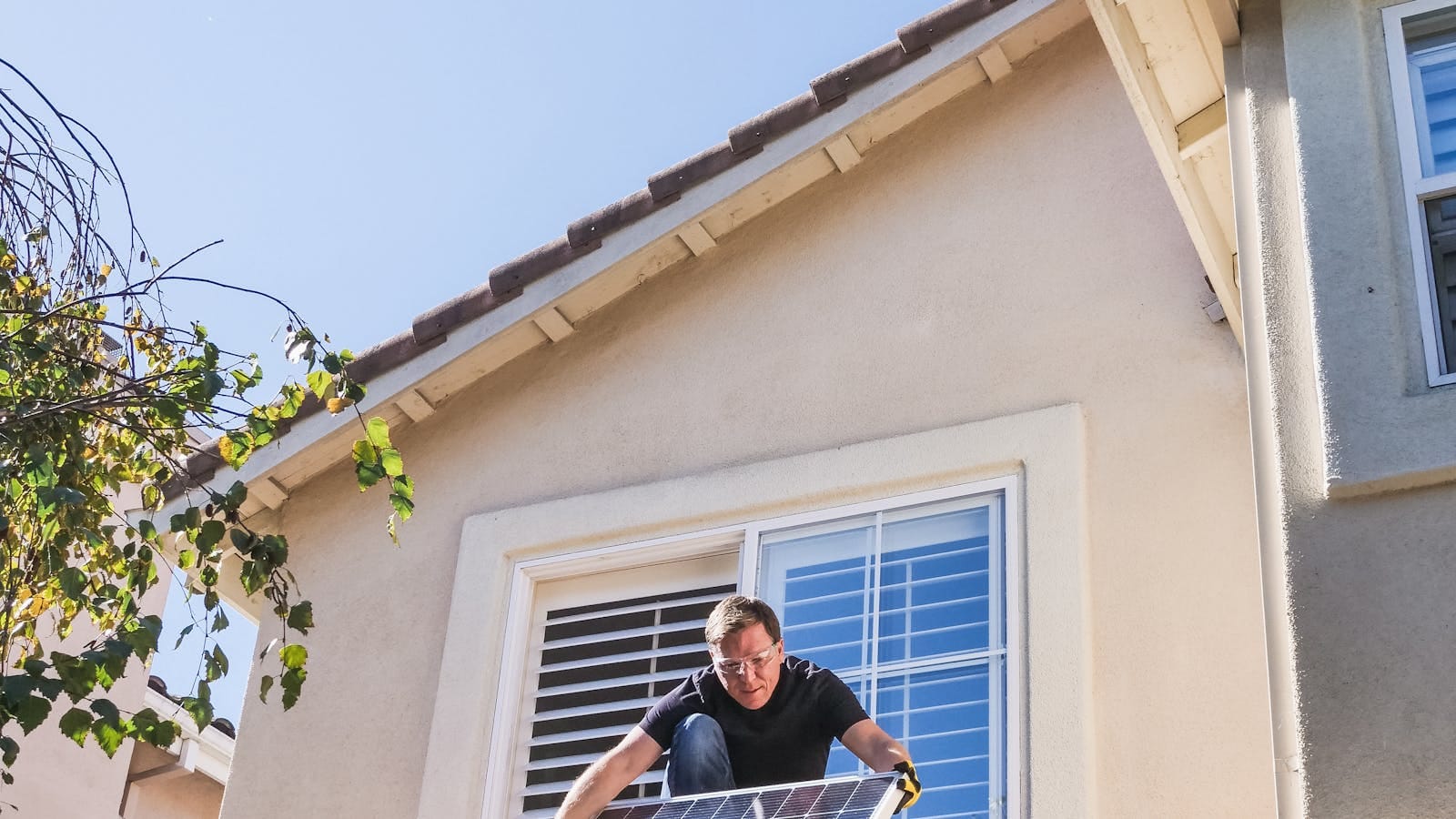
solar panels for industrial units, typical install
WHY IT STACKS UP

The commercial case for going solar

Up to 60%
Cut in energy bills
Typical for high daytime load
25 yr
Panel performance warranty
Standard on tier-1 modules
£0
Upfront cost with PPA
On qualifying projects
0%
VAT where eligible
On qualifying installs
HOW IT WORKS

From first call to commissioning in 6-9 months

A clear, transparent process, no hidden steps, no high-pressure sales.

  1. 01
    Day 1-7

    Free desk feasibility

    We pull your half-hourly meter data and roof drawings, model the system, and share an indicative proposal.

  2. 02
    Week 2-4

    On-site survey

    Our structural and electrical engineers visit. Final design and fixed-price proposal follow.

  3. 03
    Month 2-6

    Permits & DNO

    We handle planning (where required), G99 grid connection application, and any grant paperwork.

  4. 04
    Month 6-9

    Install & commission

    On site for 2-10 weeks depending on system size. Final commissioning, customer training, monitoring active.

1.2 MW install on a M1-corridor distribution centre
CASE STUDY

1.2 MW install on a M1-corridor distribution centre

A national 3PL operating a 280,000 sqft distribution centre near Daventry serving major UK retail chains. Existing electricity spend £620k/year. Tenant on a 15-year FRI lease with green-lease provisions.

1.18
System size
£245,000
Annual saving
5.1 yr
Simple payback
1,090,000
kWh / year
See more recent installations
WHY SPECIALISTS

Specialist installers vs generalist contractors for solar panels for industrial units

Specialist (us)
MCS-certified, sector-focused
Generalist contractor
General electrical / building
In-house DIY
Self-managed
MCS commercial certification
Half-hourly meter data modelling
Sector-specific compliance
IWA 10-year insurance-backed warranty
PPA / asset finance options Sometimes
Fixed-price proposal Sometimes
Sub-vertical case studies

Solar panels for industrial units: smaller roofs, the split incentive, real savings

Solar panels for industrial units are a different proposition to the big-box logistics roofs that get all the attention. On a multi-let industrial estate, or a single light-industrial SME unit, the roof is smaller, the lease is often shorter, and the building is usually let rather than owned, so the party who would pay for the panels and the party who pays the bill are frequently not the same. That split incentive, landlord against tenant, is the single biggest reason good industrial-unit projects stall, and it does not have to. The economics on a smaller unit are still strong, because most occupiers run their load through the working day, exactly when the panels generate, so the electricity is consumed on site rather than exported for a few pence. With TNUoS and BSUoS network charges up 40 to 80% since 2022, solar is one of the few import-cost levers a smaller operator controls.

How we size systems for a smaller industrial unit

For a smaller industrial unit we usually design a system in the 100 to 400 kW range, which is roughly 185 to 740 panels across about 600 to 2,400 square metres of roof, generating in the region of 92,000 to 370,000 kWh a year and saving somewhere between 21 and 85 tonnes of CO2 annually. A light-industrial SME unit of 30,000 to 80,000 square feet typically takes 200 to 600 kW. On a smaller roof, area matters more than on a big-box shed, because rooflights, plant and shading from neighbouring units eat into the usable space, so we model the realistic area, not the gross footprint. We pull your half-hourly meter data first because the binding constraint is rarely the roof, it is your daytime baseload and your DNO connection capacity.

Costs, payback and tax relief

A smaller industrial-unit project typically lands between £90,000 and £340,000 at roughly £700 to £900 per kW, with a simple payback near 5.5 years and the electricity effectively free for the years after. The biggest lever is tax, and these figures are illustrative because they depend on your company structure and current legislation. Solar PV qualifies as plant and machinery, so the 100% Annual Investment Allowance lets most companies write off the cost in year one, worth up to a quarter of the project value back as tax saved for a limited company, with a 50% First Year Allowance on spend above the cap. Where you export surplus, the Smart Export Guarantee pays 4 to 15p per kWh, and our cost guide works the numbers by size.

Funding routes, and the lease question

How you fund the system changes the shape of the return rather than whether it pays. Buying outright, with cash or asset finance, suits an owner-occupier, who keeps every kilowatt-hour of saving and claims the allowances. A power purchase agreement instead puts a third-party owner on the roof while you pay per kWh below grid retail with zero capex, suiting a tenant on a shorter lease. For most industrial units the real unlock is not a grant but the Green Lease route, which makes solar possible on a leased building by setting out landlord consent and clear end-of-lease treatment. We work to the Building Better Partnership Green Lease Toolkit and engage your landlord directly. Food-related units may fall within the Industrial Energy Transformation Fund (a 30 to 50% intervention rate through DESNZ), and units within a Freeport or Investment Zone may qualify for 100% Enhanced Capital Allowances. The full picture is on our funding page.

Compliance and sector considerations

The compliance points are well defined. Sprinkler clearances are mandatory where fitted: we design to LPC standards, 1m to the deflector and 0.6m at high-bay, and obtain insurer pre-design sign-off before fabrication. Most industrial-unit PV proceeds under permitted development through Class A Part 14 of the GPDO. A G99 application applies above 17 kW per phase, and on a multi-let estate the supply is often shared across units, so we confirm the available capacity rather than assume it. Wind loading is designed to BS EN 1991-1-4, Eurocode 1, with ballasted systems weighted for worst-case uplift.

How we approach the project

We size for self-consumption first, model export and any battery only on the surplus, submit the G99 application early so the connection clock runs while the survey is completed, and check the roof build-up and fixings before committing to a fixed-price proposal, so the number you sign is the number you pay. For tenant-occupied units we engage the landlord with the BBP addendum and run the consent process, which on a multi-let estate often makes or breaks the project. The install happens above your live operations, with only a four to eight hour grid synchronisation scheduled for a quiet window, and workmanship carries a ten-year insurance-backed warranty under MCS, NICEIC, RECC and TrustMark certification.

An illustrative example

As an illustrative composite: a light-industrial SME on a 45,000 square foot leased unit, running a single daytime shift, might take around 250 kW, roughly 460 panels, across the usable roof once rooflights and shading are allowed for, generating in the region of 230,000 kWh a year, most of it consumed on site. These figures are illustrative only and depend entirely on your site, roof, load profile, tariff and lease, which is why we start every project from your own meter data.

If your estate also includes shift-pattern buildings or delivery operations, our pages on solar for fulfilment centres and last-mile depot solar may also apply. When you are ready, see the cost guide and funding routes, then request a free feasibility or read the industrial unit solar FAQs.


FAQS

Common questions

The questions we hear most from logistics director.

How much do solar panels for a warehouse cost in the UK?

A typical warehouse install is £350,000-£2.4m (500 kW-3 MW), at £700-£900/kW depending on system size. Last-mile depots (100-400 kW) range £90k-£340k. Cold-chain and large distribution centres often achieve £600/kW or below at scale. Capital is typically fully expensed year one under AIA.

What size system can a typical UK warehouse take?

Modern logistics buildings of 100,000-500,000 sqft can accommodate 1-5 MW of rooftop PV. Smaller industrial units of 30,000-80,000 sqft typically take 200-600 kW. The binding constraint is rarely roof area, it's usually DNO capacity or building structural loading.

Can we install solar on a leased warehouse?

Yes, tenant-installed solar is now standard practice. Landlord consent is required (most institutional landlords have standard green-lease addenda). PPA structures shift the lease risk to a third-party owner. We provide the lease addendum template aligned with the BBP Green Lease Toolkit.

Will the system fit around our sprinkler system?

Yes, by design. We follow LPC sprinkler clearance standards (1m to deflector, 0.6m at high-bay) and obtain insurer sign-off before fabrication. The PV layout is built around your sprinkler heads, not the other way around.

What about wind loading on a high warehouse roof?

Every install is designed to BS EN 1991-1-4 (Eurocode 1) for the specific site's wind exposure. Ballasted systems are weighted for worst-case wind uplift. We've delivered installs at port sites with 35m/s design wind speeds, design envelope is well-defined.

Can we install during peak season without disrupting operations?

Yes. Roof installation happens above your operations, MHE, picking, and despatch continue normally. The only operational impact is the final grid synchronisation (4-8 hours), which we schedule for a weekend or planned shutdown. Several clients have insisted on Q4 install, delivered with zero impact.

Commercial Solar Across the UK

Get a free quote
Get a free quote